


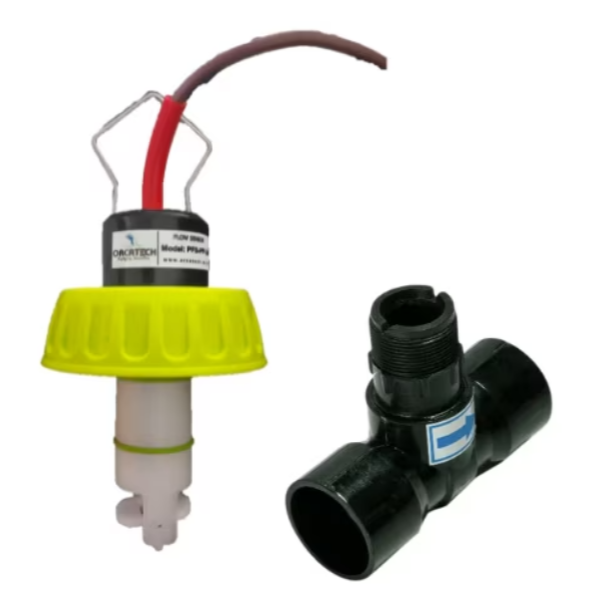
Water is one of the most valuable resources for industries, municipalities, commercial establishments, and infrastructure projects. As water demand continues to increase, organizations are looking for better ways to measure consumption, identify losses, and improve operational efficiency. A Smart Digital Water Meter provides accurate, real-time consumption data that supports informed decision-making while reducing dependence on manual meter readings.
Across Pune and Maharashtra, digital water metering is becoming an important component of modern water management strategies for both public and private sector organizations.
Why Traditional Water Metering Has Limitations
Conventional water meters have served utilities and industries for many years, but they often rely on manual readings collected at scheduled intervals.
This approach presents several challenges, including:
- Delayed identification of water loss
- Manual recording errors
- Limited visibility between inspections
- Higher labour requirements
- Difficulty analysing consumption trends
- Slower response to unusual water usage
Without continuous data, organisations may not detect leaks or operational inefficiencies until they become significant.
What Makes a Smart Digital Water Meter Different?
A Smart Digital Water Meter combines accurate flow measurement with digital communication capabilities. Instead of recording data only during manual inspections, these meters continuously collect and store information that can be accessed locally or remotely.
Many systems also integrate with monitoring software, allowing users to analyse consumption patterns over extended periods.
Depending on the application, smart meters may include:
- Digital display
- Data logging
- Remote communication
- Automated reporting
- Alarm notifications
- Cloud-based monitoring
- Integration with supervisory systems
These capabilities provide greater operational visibility than conventional metering methods.
Benefits for Different Industries
Smart digital water meters support a wide variety of applications.
Industrial Manufacturing
Manufacturers can monitor production water usage, identify abnormal consumption, and optimise resource utilisation.
Municipal Water Supply
Water utilities gain improved visibility into distribution networks and can analyse consumption trends across different service areas.
Commercial Buildings
Large commercial properties benefit from accurate consumption records that support facility management and operational planning.
Infrastructure Projects
Construction sites and public utilities can monitor temporary or permanent water usage during project execution.
Irrigation Systems
Agricultural water distribution can be monitored more effectively, supporting efficient allocation of available resources.
How Smart Metering Supports Water Conservation
One of the greatest advantages of digital monitoring is the ability to identify issues before they result in substantial water loss.
Continuous monitoring helps organisations:
- Detect unexpected increases in consumption
- Identify possible leakage
- Compare historical usage trends
- Evaluate system performance
- Improve maintenance planning
- Support sustainability initiatives
Rather than reacting after large losses occur, operators can investigate unusual patterns much earlier.
Important Features to Consider
Not every digital meter offers the same capabilities.
When evaluating available options, consider:
- Measurement accuracy
- Communication technology
- Battery life
- Environmental protection rating
- Data storage capacity
- Software compatibility
- Maintenance requirements
- Ease of installation
Selecting equipment based on operational requirements rather than specifications alone helps improve long-term performance.
Supporting Digital Infrastructure
Digital metering contributes to broader smart infrastructure initiatives by supplying reliable operational data that can be integrated with central monitoring platforms.
These systems support:
- Automated reporting
- Asset management
- Operational analytics
- Water auditing
- Resource planning
- Regulatory documentation
The availability of accurate digital information allows organisations to make evidence-based decisions instead of relying on estimates.
Growing Demand Across Pune
Pune's industrial expansion, commercial growth, and increasing focus on sustainable water management have accelerated the adoption of digital monitoring technologies. Government projects, manufacturing facilities, educational institutions, and commercial developments are increasingly investing in smart metering systems that improve operational visibility and reduce manual effort.
Reliable monitoring also supports future-ready infrastructure capable of integrating with digital management platforms.
Choosing the Right Technology Partner
Successful implementation depends on selecting equipment that matches the application's technical requirements while providing dependable long-term support.
Orcatech Enterprises manufactures advanced water monitoring and measurement solutions designed for industrial, environmental, and infrastructure applications. Through orcatech.in, project teams can explore technologies that support accurate digital water monitoring across diverse operational environments.
A Smart Digital Water Meter is more than a measurement device. It provides the data needed to improve efficiency, strengthen water conservation efforts, and support informed resource management across modern infrastructure.


