Large infrastructure developments, industrial facilities, dams, embankments, tunnels, and mining operations all depend on accurate information about underground water pressure and soil conditions. One of the most reliable methods for collecting this information is Industrial Piezometer Monitoring. By continuously measuring groundwater pressure, piezometers help engineers make informed decisions that improve safety, reduce project risks, and support regulatory compliance.
As Pune continues to witness rapid industrial growth and infrastructure expansion, reliable groundwater monitoring has become an integral part of engineering and environmental management.
What Is Industrial Piezometer Monitoring?
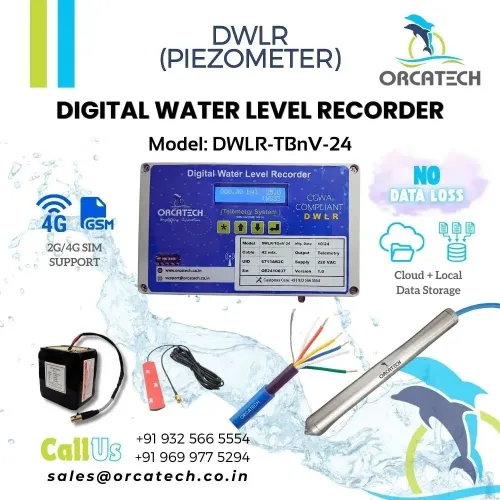
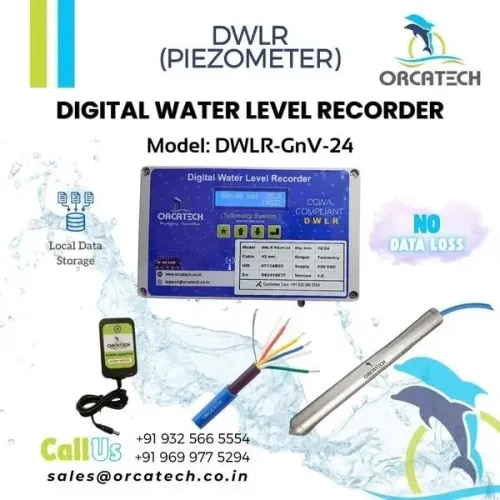
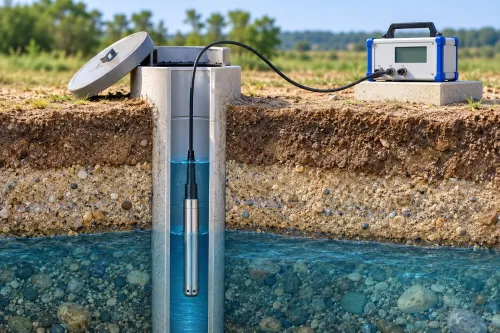
A piezometer is an instrument used to measure groundwater pressure or pore water pressure within soil, rock, embankments, and other structures. Unlike standard groundwater level monitoring devices that focus primarily on water depth, piezometers provide valuable information about hydraulic pressure beneath the surface.
Monitoring this pressure helps engineers understand how water interacts with the surrounding ground, allowing them to evaluate stability and identify potential risks before they become serious issues.
Why Groundwater Pressure Monitoring Is Important
Groundwater pressure directly affects the stability of many structures. Excess pressure within soil can weaken foundations, increase seepage, or contribute to structural movement.
Regular monitoring helps identify:
- Changes in groundwater pressure
- Seepage through embankments
- Soil stability variations
- Dewatering effectiveness
- Water infiltration patterns
- Seasonal groundwater fluctuations
- Long-term performance of engineered structures
Having access to continuous data enables project teams to respond proactively rather than reactively.
Common Applications of Industrial Piezometers
Industrial piezometer monitoring is widely used across multiple sectors.
Dam and Reservoir Monitoring
Piezometers help monitor seepage conditions and internal water pressure within dams, supporting ongoing structural safety assessments.
Metro Rail and Tunnel Projects
Underground construction often alters groundwater conditions. Continuous monitoring helps engineers manage excavation risks and foundation stability.
Mining Operations
Mining projects use piezometers to evaluate groundwater movement and assess the effectiveness of dewatering systems.
Industrial Facilities
Manufacturing plants with large foundations or underground structures monitor groundwater pressure to protect critical assets.
Landfills and Environmental Projects
Environmental consultants use piezometer data to assess groundwater movement around waste management facilities and remediation sites.
Benefits of Continuous Monitoring
Modern piezometer monitoring systems provide advantages over occasional manual readings.
Key benefits include:
- Continuous data collection
- Early identification of abnormal pressure changes
- Reduced site inspection frequency
- Improved engineering analysis
- Better documentation for compliance
- Reliable long-term performance records
- Support for predictive maintenance strategies
These benefits are particularly valuable for projects operating over many years.
Choosing the Right Monitoring System
Several factors influence the effectiveness of a piezometer monitoring program.
Consider:
- Measurement accuracy
- Long-term sensor stability
- Resistance to harsh environmental conditions
- Data logging capability
- Remote communication options
- Ease of maintenance
- Integration with monitoring software
- Technical support from the manufacturer
A well-designed system provides dependable performance throughout the project lifecycle.
Supporting Safer Infrastructure Projects
Engineering decisions rely on accurate field data. Piezometer monitoring allows project teams to verify design assumptions, monitor changing site conditions, and maintain confidence in structural performance.
This information supports:
- Risk management
- Construction planning
- Infrastructure maintenance
- Environmental compliance
- Asset management
- Safety inspections
Reliable monitoring also contributes to better reporting for consultants, project owners, and regulatory authorities.
Increasing Demand Across Pune
Pune has become a major centre for industrial development, transportation projects, commercial construction, and public infrastructure. These projects frequently require groundwater monitoring as part of geotechnical investigations and long-term structural assessments.
As monitoring standards continue to evolve, automated piezometer systems are increasingly replacing manual observation methods due to their higher accuracy and operational efficiency.
Selecting an Experienced Monitoring Partner
The quality of monitoring results depends on both the equipment and the expertise behind its implementation.
Orcatech Enterprises manufactures water and environmental monitoring solutions designed for infrastructure, industrial, and environmental applications. The company's monitoring technologies help engineers and consultants obtain dependable field data for informed decision-making. Additional information about its solutions is available through orcatech.in.
Industrial Piezometer Monitoring is no longer limited to large-scale engineering projects. It has become an essential tool for organizations seeking accurate groundwater pressure data, improved safety, and better long-term management of critical infrastructure.
Keywords