Floods can develop rapidly, especially during periods of intense rainfall or sudden releases from reservoirs. For government departments, infrastructure authorities, industrial facilities, and urban planners, timely information is essential for protecting people, assets, and critical infrastructure. An Intelligent Flood Warning System helps transform environmental data into actionable insights by combining monitoring equipment, communication technologies, and automated alerts.
As climate variability and urban expansion continue to influence flood patterns across Pune and Maharashtra, selecting the right warning system has become an important part of long-term disaster preparedness.
Why Early Flood Warnings Matter
Flood monitoring and flood warning are closely related but serve different purposes.
Monitoring focuses on collecting environmental data such as rainfall, river levels, and water flow. A flood warning system analyses this information and generates alerts when predefined conditions are met.
Early warnings help organisations:
- Prepare emergency response teams
- Protect infrastructure
- Reduce operational disruptions
- Improve public safety planning
- Support evacuation decisions where required
- Minimise potential damage to equipment and facilities
Having additional response time often makes emergency planning more effective.
Key Components of an Intelligent Flood Warning System
An effective flood warning solution combines multiple technologies into one integrated platform.
Typical components include:
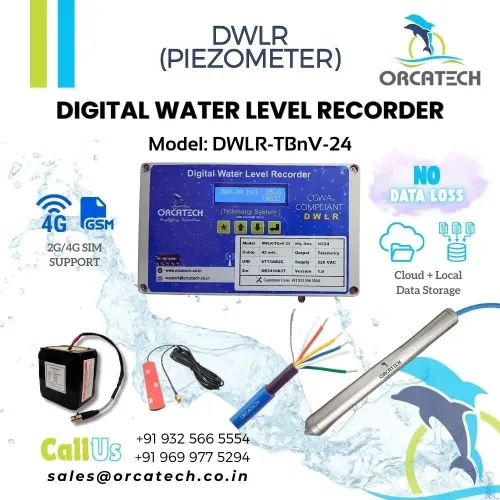
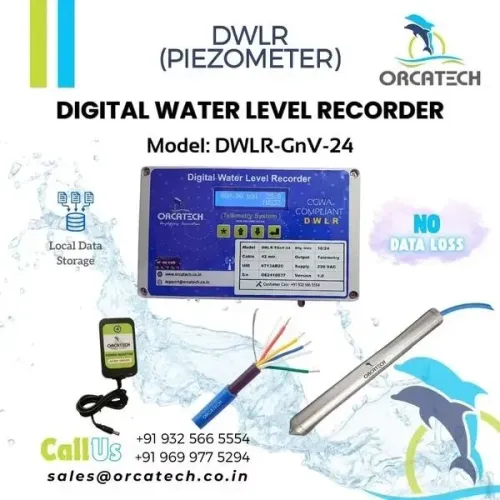
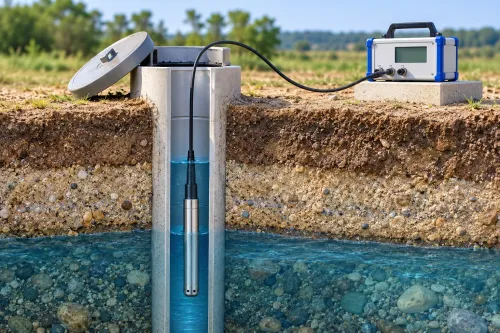
- Water level sensors
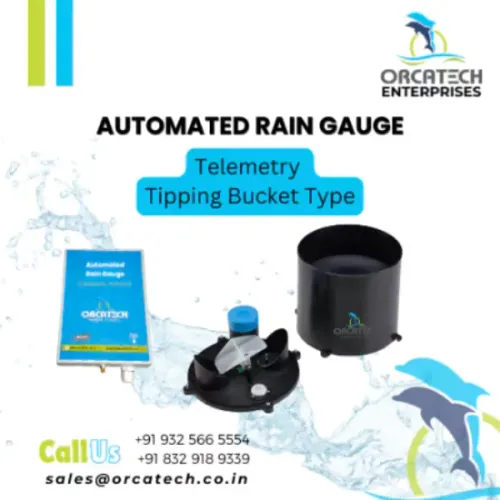
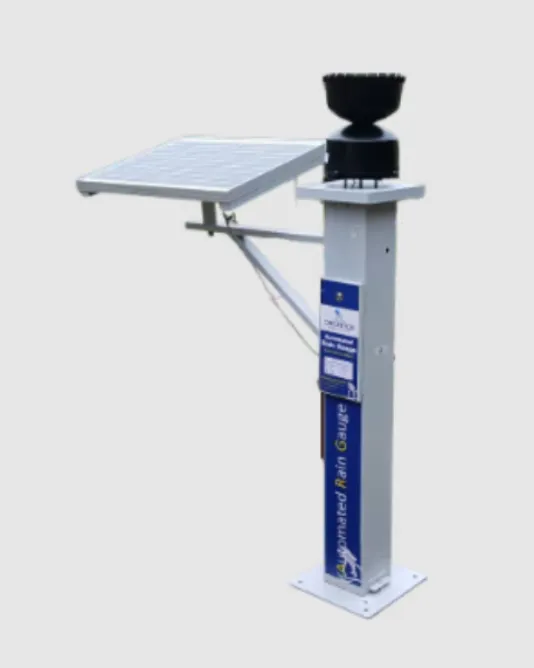
- Automatic rainfall monitoring stations
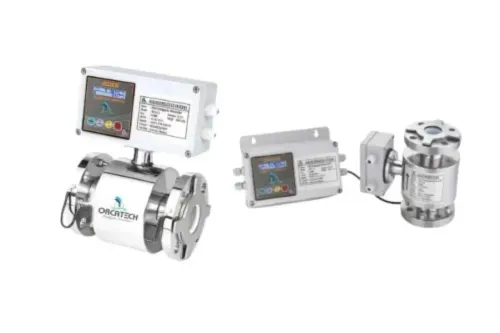
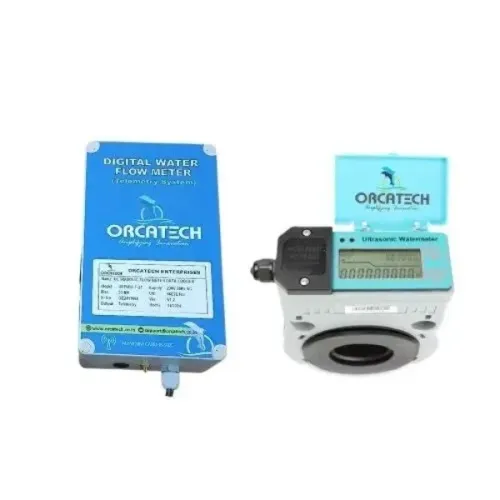
- Flow monitoring devices
- Data loggers
- Communication networks
- Cloud-based monitoring software
- Alert notification systems
- Central monitoring dashboards
Each component contributes to providing accurate and timely information for decision-makers.
Features That Improve Long-Term Reliability
Not every warning system offers the same capabilities. Organisations should evaluate features that influence long-term operational performance.
Important considerations include:
Accurate Sensor Technology
Reliable alerts depend on high-quality field measurements. Accurate sensors reduce the risk of false alarms and improve confidence in monitoring data.
Continuous Data Collection
Real-time monitoring allows changing environmental conditions to be observed throughout the day rather than during periodic inspections.
Multiple Communication Options
Systems that support cellular, radio, satellite, or internet communication provide greater flexibility in different geographical locations.
Automated Alerts
Notifications can be configured to inform authorised personnel when water levels or rainfall exceed predefined thresholds.
Data Storage and Reporting
Historical records support future planning, regulatory reporting, and post-event analysis.
Applications Across Different Sectors
Intelligent flood warning systems are used across numerous industries and public sector projects.
These include:
- Smart city initiatives
- River basin management
- Dam safety programmes
- Irrigation authorities
- Municipal corporations
- Industrial facilities
- Transportation infrastructure
- Environmental monitoring networks
Each application benefits from timely environmental information that supports operational planning.
Questions to Ask Before Selecting a System
Before investing in flood warning technology, organisations should evaluate several practical questions.
- Can the system be expanded in the future?
- Is the equipment designed for harsh outdoor environments?
- How frequently is monitoring data updated?
- Does the platform support remote access?
- Can reports be generated automatically?
- What maintenance is required over the equipment lifecycle?
Answering these questions helps identify solutions that remain effective as monitoring needs evolve.
Supporting Smarter Flood Management in Pune
Pune experiences seasonal monsoon rainfall that influences rivers, reservoirs, urban drainage systems, and low-lying infrastructure. Reliable flood warning systems help authorities monitor changing conditions while improving coordination between engineering teams and emergency management personnel.
Digital monitoring technologies also support broader initiatives aimed at improving resilience and protecting public infrastructure.
Choosing an Experienced Monitoring Technology Provider
The effectiveness of a flood warning programme depends on both equipment quality and technical expertise.
Orcatech Enterprises develops advanced monitoring technologies for water resources, environmental management, and infrastructure projects. Its integrated monitoring solutions are designed to deliver accurate environmental data that supports informed operational decisions.
An Intelligent Flood Warning System enables organisations to move beyond basic monitoring by providing timely alerts, dependable environmental information, and improved preparedness for changing weather conditions.
Keywords