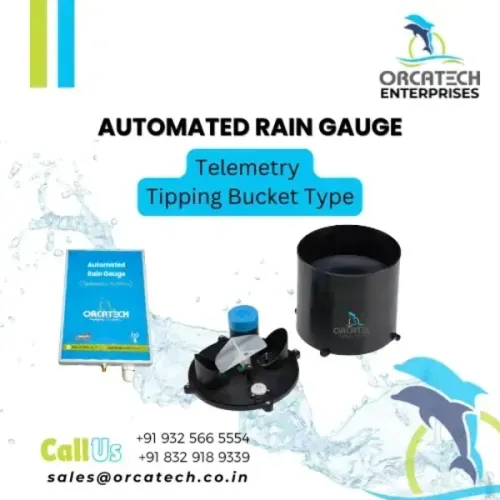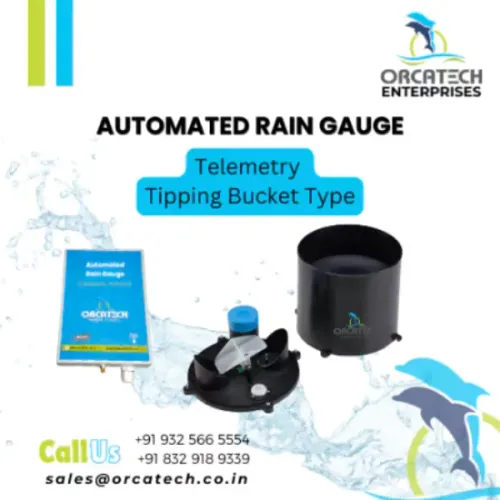
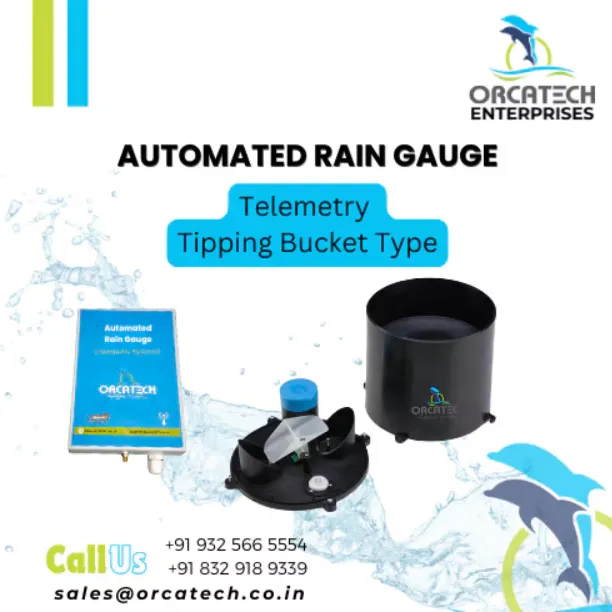
Construction projects, irrigation developments, watershed programmes, mining operations, and environmental studies all depend on reliable weather data. Rainfall is one of the most important environmental factors influencing project planning, safety, and long-term performance. Installing an Automatic Rainfall Monitoring Gauge before work begins allows project teams to collect accurate rainfall information that supports informed engineering decisions and ongoing environmental management.
For infrastructure developers, consultants, government agencies, and industrial organisations in Pune and across Maharashtra, recognising when automated rainfall monitoring is necessary can help minimise risks and improve project outcomes.
Why Rainfall Data Should Be Collected Early
Many projects begin with geotechnical investigations, environmental assessments, and feasibility studies. However, without reliable rainfall records, teams may overlook important weather-related factors that influence design and construction.
Early rainfall monitoring provides valuable baseline information that can be used throughout the project lifecycle.
Benefits include:
- Better hydrological assessments
- Improved drainage planning
- More accurate environmental reporting
- Reliable long-term rainfall records
- Stronger project documentation
The earlier monitoring begins, the more meaningful the collected data becomes.
Signs Your Project Could Benefit from Automated Rainfall Monitoring
Not every project requires the same level of environmental monitoring. However, certain situations make automated rainfall measurement particularly valuable.
1. The Site Is Near Rivers, Lakes, or Reservoirs
Projects located near natural water bodies often experience changing water levels influenced by rainfall. Continuous monitoring helps engineers understand these variations.
2. Large Earthwork Activities Are Planned
Excavation, embankments, and slope stabilisation projects can all be affected by heavy rainfall. Accurate rainfall records support construction planning and safety management.
3. Environmental Compliance Is Required
Infrastructure and industrial developments often require environmental monitoring as part of regulatory approvals. Rainfall data strengthens environmental documentation and ongoing compliance reporting.
4. The Project Extends Across Multiple Seasons
Projects lasting several months or years benefit from continuous rainfall records that capture seasonal weather variations.
5. Drainage Systems Must Be Evaluated
Stormwater infrastructure performs differently under varying rainfall conditions. Automated monitoring provides dependable information for system evaluation.
Advantages Over Manual Rainfall Recording
Traditional rain gauges require personnel to visit monitoring stations regularly. This approach can create gaps in the dataset if readings are delayed or missed.
Automatic systems offer several operational advantages:
- Continuous rainfall recording
- Improved measurement consistency
- Reduced manual intervention
- Time-stamped historical data
- Remote monitoring capability
- Faster reporting
- Reliable long-term datasets
These features improve both operational efficiency and data quality.
Industries That Commonly Use Automatic Rainfall Monitoring
Automated rainfall monitoring supports many sectors.
These include:
- Infrastructure construction
- Irrigation projects
- Smart city developments
- Mining operations
- Environmental consulting
- Government water resource departments
- Research institutions
- Industrial facilities
Each application relies on dependable rainfall information to support planning and operational decisions.
Key Features to Look For
When selecting an Automatic Rainfall Monitoring Gauge, organisations should evaluate more than basic rainfall measurement.
Important considerations include:
- High measurement accuracy
- Weather-resistant construction
- Automatic data logging
- Remote communication capability
- Low maintenance requirements
- Long operational life
- Software compatibility
- Reliable technical support
Selecting equipment designed for field conditions helps ensure dependable performance over many years.
Supporting Infrastructure Development in Pune
Rapid urban growth and infrastructure expansion have increased the importance of environmental monitoring across Pune. Road projects, industrial developments, irrigation schemes, and public infrastructure increasingly incorporate automated rainfall monitoring to improve planning and strengthen environmental management.
Accurate weather information also contributes to better decision-making during construction, particularly during the monsoon season.
Choosing the Right Monitoring Equipment Provider
Successful rainfall monitoring depends on equipment reliability, proper installation, and ongoing technical support.
Orcatech Enterprises manufactures advanced water and environmental monitoring solutions for infrastructure, industrial, and government applications. The company's rainfall monitoring technologies are designed to deliver dependable environmental data that supports engineering projects and long-term resource management.
Installing an Automatic Rainfall Monitoring Gauge before construction begins provides valuable information that improves planning, strengthens compliance, and supports safer, more informed project execution.
Keywords