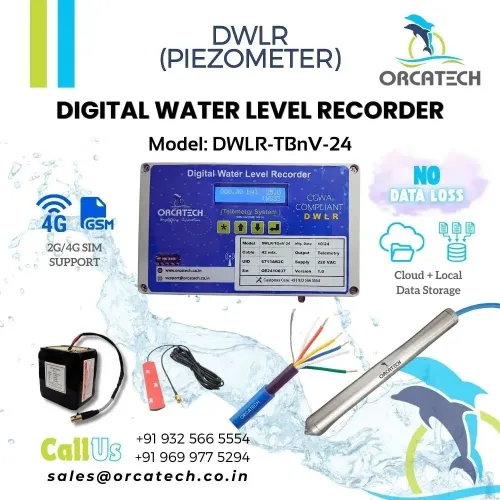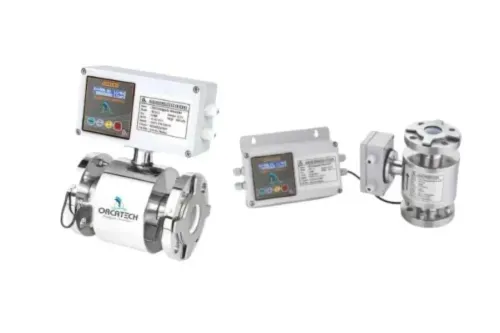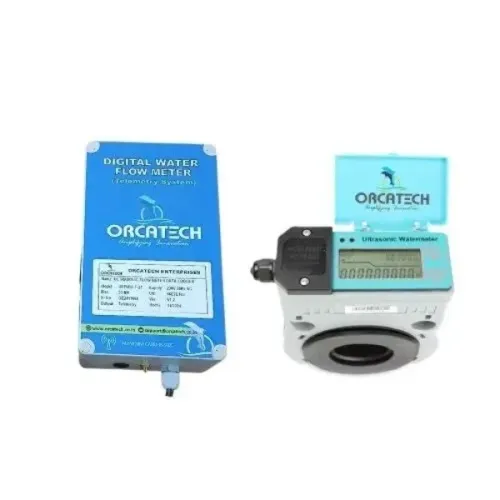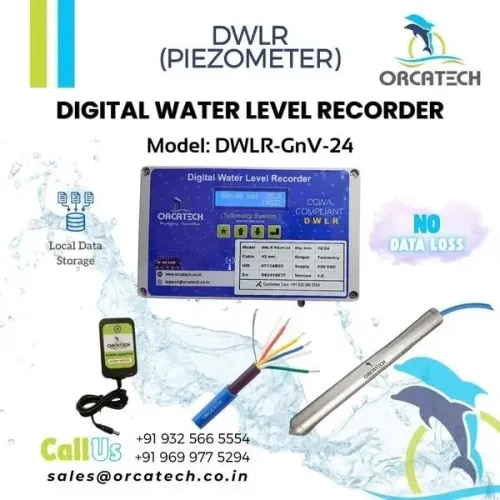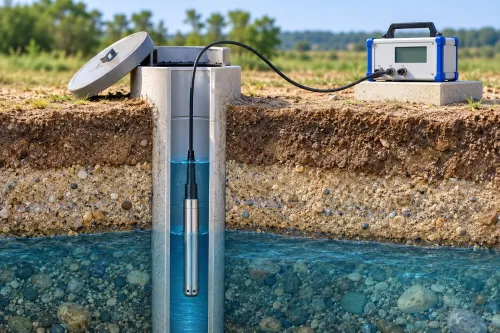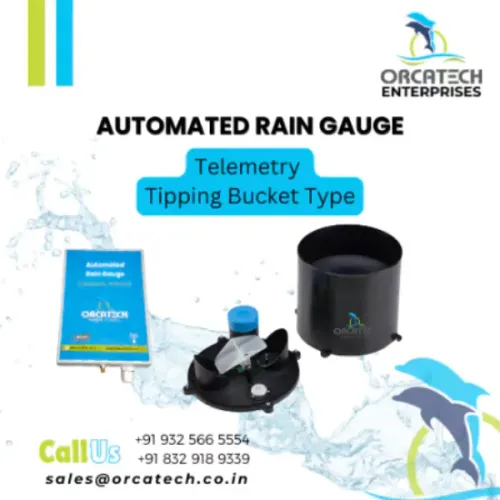
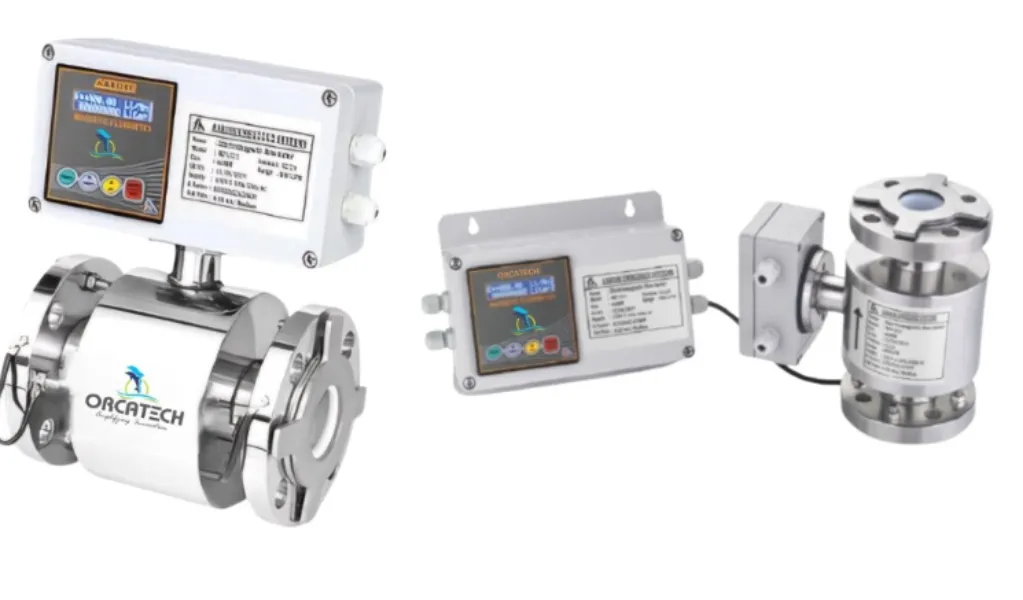
Selecting a flow meter is not simply a matter of choosing a device that fits the pipe diameter. Reliable measurement depends on the fluid, flow range, pipe condition, installation arrangement, operating environment, and required output. Precision Flow Meter Solutions bring these factors together so that the selected instrument performs accurately under actual site conditions.
For industrial engineers and procurement teams, it is helpful to understand what “precision” means before comparing products.
Accuracy Is Only One Performance Measure
Accuracy describes how closely a reported value agrees with the true value under defined conditions. Repeatability describes whether the meter produces consistent results when the same flow condition occurs repeatedly.
A highly repeatable meter can still report an incorrect value if it has been selected, configured, or installed improperly. Conversely, a suitable instrument may fail to achieve its expected accuracy when flow conditions at the site are unstable.
Specifications should therefore be assessed alongside:
- Measurement principle
- Flow range
- Turndown ratio
- Pipe diameter
- Fluid conductivity
- Temperature and pressure
- Required straight-pipe length
- Output and communication options
- Calibration conditions
- Expected maintenance
The correct balance depends on the application rather than the highest number shown on a specification sheet.
Why Flow Profile Matters
Many flow meters assume that the fluid moving through the measuring section has a reasonably developed velocity profile. Bends, valves, reducers, pumps, and partially open control devices can create swirl or uneven flow.
If a meter is installed too close to such disturbances, the readings may become unstable or biased. Manufacturers commonly specify minimum upstream and downstream straight-pipe requirements. These requirements should be reviewed during layout planning, not after installation begins.
Where sufficient straight length is unavailable, engineers may need to reconsider the installation point, meter technology, or use of a flow conditioner.
Match the Technology to the Fluid
Different measurement principles suit different liquids and operating conditions.
Electromagnetic meters are commonly considered for conductive liquids and provide an unobstructed flow path. Clamp-on ultrasonic systems measure from outside the pipe and can be useful where cutting the pipeline is undesirable. Other technologies may be appropriate for specific fluids, smaller lines, dosing duties, or demanding process conditions.
Before choosing, confirm:
- Is the pipe always full?
- Is the liquid clean, aerated, corrosive, or solids-laden?
- Is conductivity relevant?
- What are the minimum and maximum flow rates?
- Can the process be stopped for installation?
- Is temporary or permanent monitoring required?
- Will the reading feed a display, logger, PLC, SCADA system, or IoT platform?
Answers to these questions narrow the suitable options quickly.
Installation Quality Determines Measurement Quality
Even well-specified equipment may underperform if pipe dimensions, lining details, sensor orientation, grounding, cable routing, or commissioning settings are incorrect.
For clamp-on ultrasonic devices, accurate pipe material, wall thickness, diameter, and fluid details are important. Sensor spacing and surface preparation also affect signal quality.
For inline systems, teams should confirm alignment, flange compatibility, earthing requirements, flow direction, sealing, and accessibility for inspection. The installed meter should be protected from vibration, electrical interference, water ingress, and accidental damage where applicable.
Relevance for Pune Industries
Pune’s industrial landscape includes manufacturing, automotive operations, food processing, utilities, construction, water treatment, and infrastructure projects. Flow-measurement requirements can differ considerably across these applications.
Cooling-water monitoring may prioritise continuous operational visibility. Water-distribution networks may focus on leakage and consumption. Environmental projects may require reliable logging and reporting. Irrigation systems may need robust equipment suited to outdoor locations.
Precision Flow Meter Solutions should therefore be based on site data rather than a generic product preference. When users define the fluid, pipeline, flow range, installation constraints, communication needs, and required measurement performance first, they can select technology more confidently and obtain data that is genuinely useful for operations and water management.
Keywords