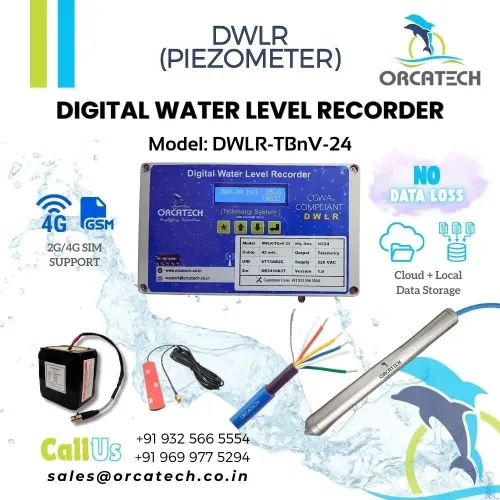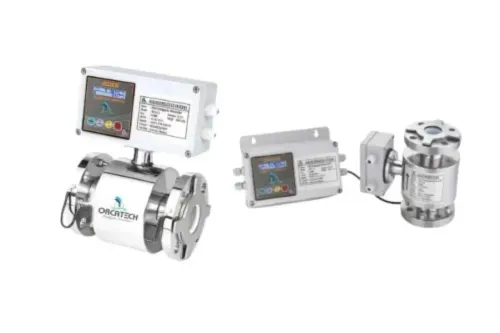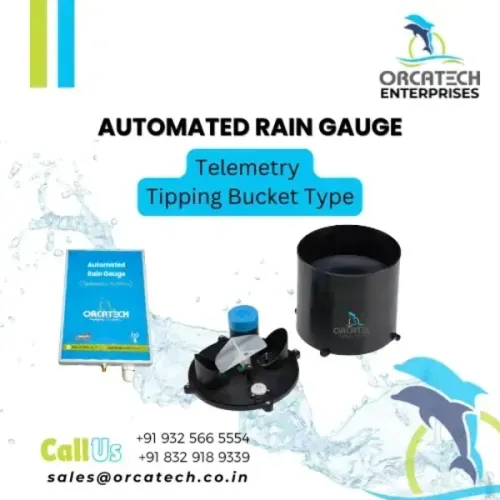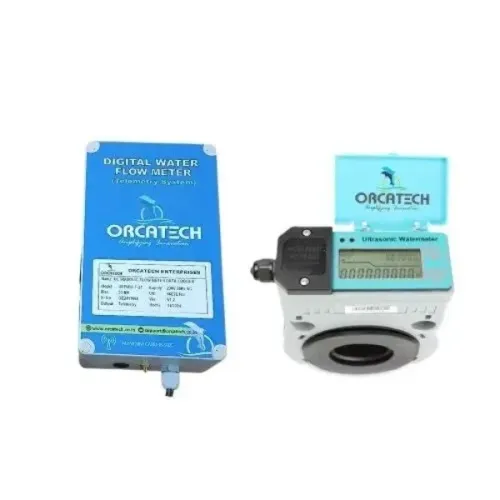
Flood monitoring has become an essential part of protecting communities, infrastructure, industrial facilities, and water resources. As weather patterns become increasingly unpredictable, organisations require dependable technologies that provide timely information for effective decision-making. Selecting the right Real-Time Flood Monitoring System involves more than comparing specifications it requires evaluating long-term performance, data reliability, and operational suitability.
For government authorities, smart city planners, irrigation departments, environmental consultants, and infrastructure developers in Pune and Maharashtra, understanding what to look for in a flood monitoring solution can improve preparedness and reduce operational risks.
Why Real-Time Flood Monitoring Is Important
Flood conditions can change rapidly, particularly during periods of intense rainfall. Delays in obtaining accurate information may affect emergency planning, infrastructure management, and public safety.
Real-time monitoring provides continuous updates that help authorities:
- Track changing water levels
- Monitor river conditions
- Observe reservoir behaviour
- Support emergency planning
- Improve operational awareness
- Strengthen long-term flood management
Access to current information enables faster and more informed decisions.
Essential Components of a Flood Monitoring System
An effective monitoring system typically combines multiple technologies.
These may include:
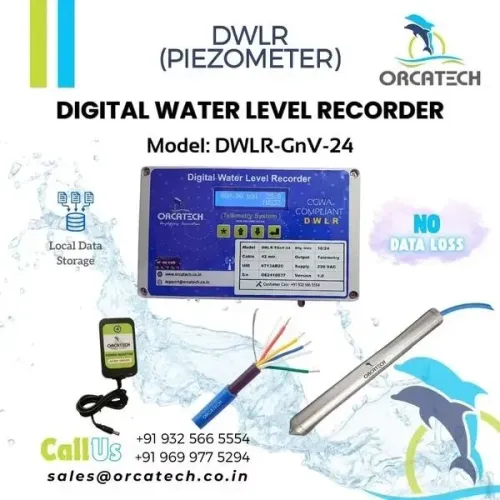
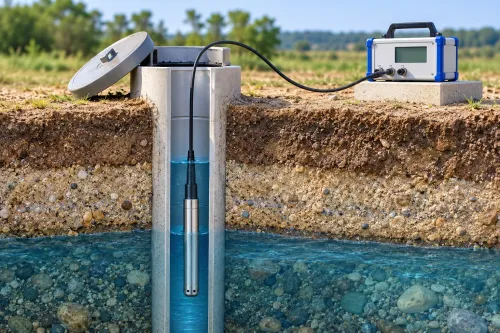
- Water level sensors
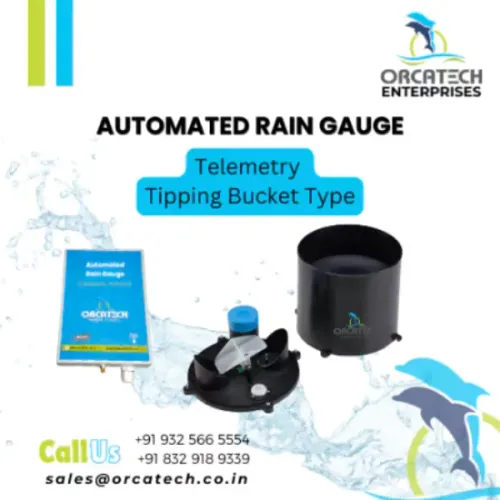
- Rainfall monitoring stations
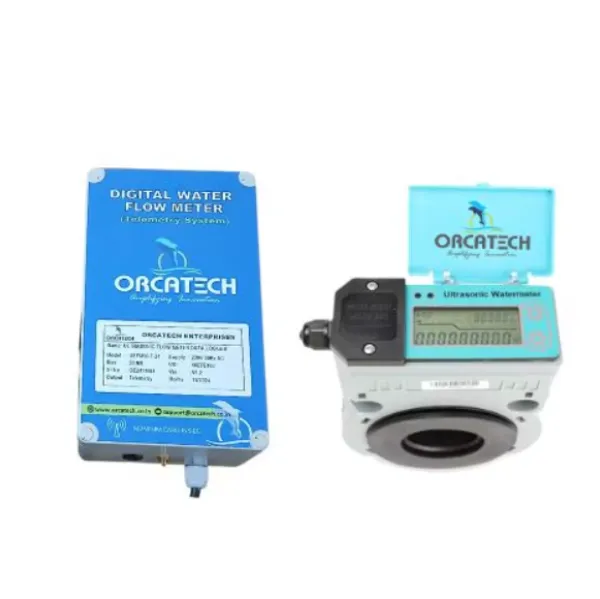
- Flow monitoring equipment
- Communication networks
- Data loggers
- Central monitoring software
- Remote dashboards
- Alarm and notification systems
Working together, these components provide a comprehensive view of changing environmental conditions.
Questions to Ask Before Selecting a System
Choosing the right solution requires careful evaluation.
Consider the following questions:
Does the System Provide Continuous Data?
Continuous monitoring offers a clearer understanding of changing flood conditions than occasional manual observations.
Can Data Be Accessed Remotely?
Remote access enables engineers and authorities to review information without travelling to monitoring sites.
Is the Equipment Suitable for Harsh Environments?
Flood monitoring equipment should operate reliably despite rain, humidity, temperature changes, and challenging field conditions.
Can the System Expand in the Future?
Projects often grow over time. Scalable monitoring systems allow additional stations and sensors to be integrated as requirements evolve.
Does the Software Support Data Analysis?
Historical data helps identify trends, evaluate flood events, and improve future planning.
Benefits of Investing in Reliable Monitoring
A dependable flood monitoring system supports more than emergency response.
Long-term advantages include:
- Better infrastructure management
- Improved environmental monitoring
- Enhanced operational planning
- More accurate reporting
- Stronger asset protection
- Reliable historical datasets
- Better decision support
The value of monitoring increases as long-term records become available.
Applications Across Different Sectors
Real-time flood monitoring supports:
- River management authorities
- Smart city projects
- Irrigation departments
- Dam safety programmes
- Industrial facilities
- Environmental monitoring networks
- Infrastructure projects
- Research organisations
Each application requires accurate, uninterrupted environmental data to support effective management.
Why Demand Is Increasing in Pune
Pune's expanding urban landscape and seasonal monsoon rainfall have increased the importance of reliable environmental monitoring. Infrastructure projects, industrial developments, and public authorities are investing in digital monitoring technologies that provide continuous visibility into changing water conditions.
Modern flood monitoring systems also integrate with broader smart infrastructure initiatives, improving coordination between multiple monitoring networks.
Selecting an Experienced Technology Partner
Long-term monitoring success depends on selecting equipment designed for accuracy, durability, and dependable field performance.
Orcatech Enterprises develops advanced monitoring technologies for water resources, environmental management, and infrastructure applications. Its monitoring solutions support organisations seeking reliable environmental data for planning, operational management, and risk reduction.
A carefully selected Real-Time Flood Monitoring System provides far more than live water level information. It creates a dependable foundation for flood preparedness, infrastructure resilience, and long-term water resource management.
Keywords