Water monitoring has traditionally relied on manual inspections, periodic measurements, and field reporting. While these methods continue to play an important role, the growing demand for accurate, continuous, and remotely accessible information has accelerated the adoption of IoT Automation for Water Monitoring. By connecting monitoring equipment through intelligent communication networks, organisations can collect, analyse, and respond to water-related data more efficiently than ever before.
For industries, government agencies, infrastructure developers, and environmental consultants across Pune and Maharashtra, IoT-enabled monitoring is becoming an essential part of modern water resource management.
Understanding IoT in Water Monitoring
The Internet of Things (IoT) refers to connected devices that collect and exchange data automatically.
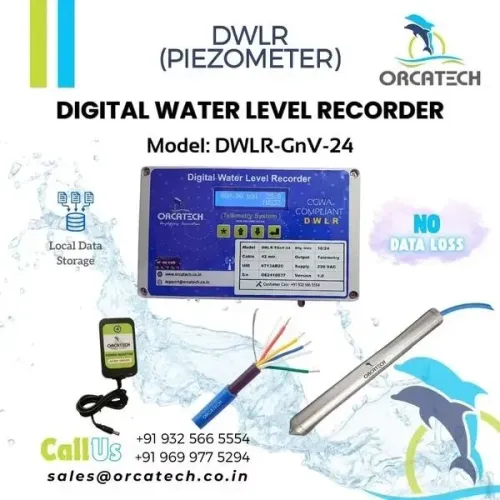
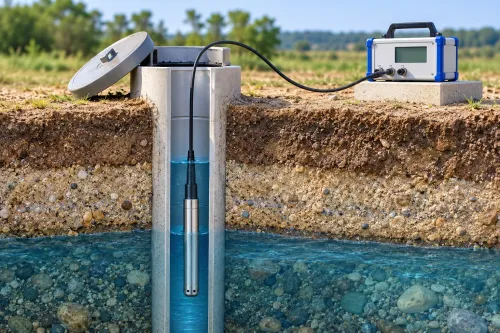
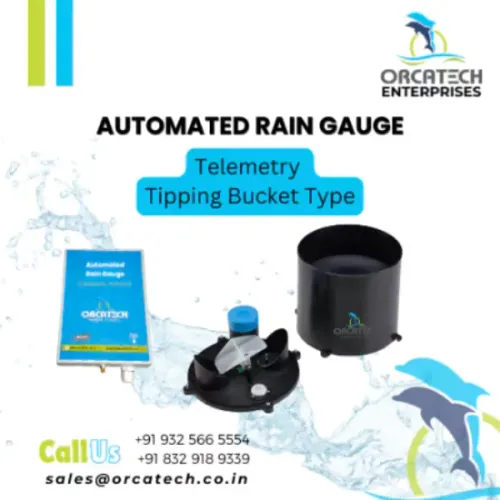
In water monitoring applications, IoT technology links instruments such as:
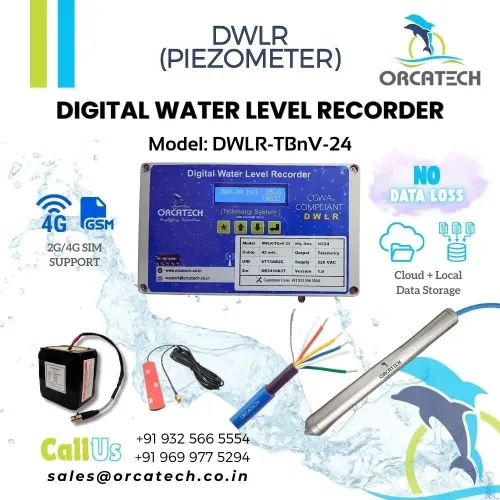
- Digital water level recorders
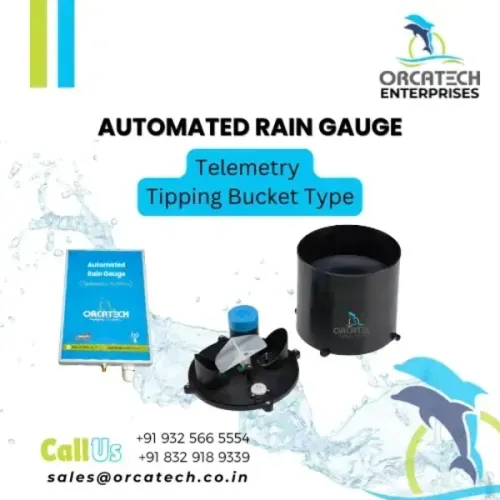
- Rain gauges
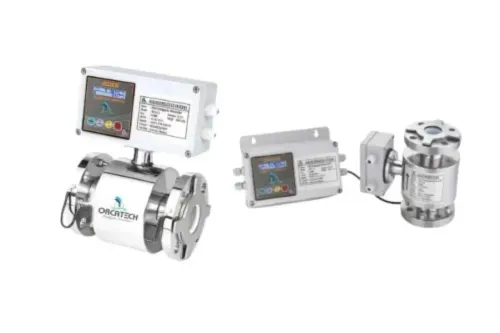
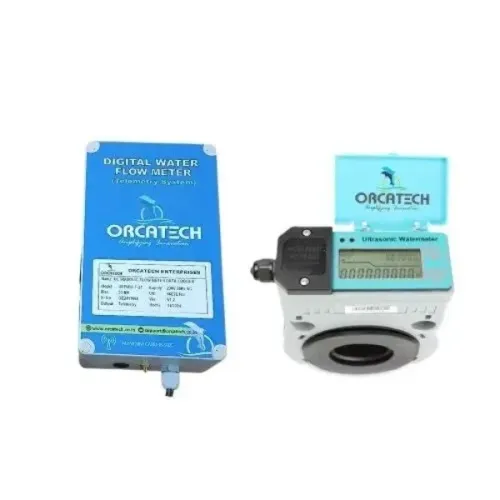
- Flow meters
- Flood monitoring sensors
- Water quality instruments
- Pressure monitoring devices
The collected information is transmitted to central software platforms where authorised users can review data in real time.
Advantages of IoT-Based Monitoring
Compared with conventional monitoring methods, IoT automation offers several operational advantages.
These include:
- Continuous data collection
- Remote access to monitoring stations
- Faster decision-making
- Reduced manual inspections
- Improved operational visibility
- Automated reporting
- Better historical data management
- Enhanced asset monitoring
These capabilities support both operational efficiency and long-term planning.
Applications Across Different Industries
IoT automation supports a wide variety of projects.
Water Resource Management
Government departments monitor groundwater, reservoirs, rivers, and rainfall from multiple locations using connected monitoring networks.
Industrial Facilities
Manufacturers monitor water consumption, process performance, and environmental compliance through centralised dashboards.
Smart City Projects
Urban infrastructure integrates water monitoring with broader digital management systems that improve resource planning.
Irrigation Networks
Connected monitoring stations help optimise water distribution based on changing environmental conditions.
Environmental Monitoring
Consultants collect continuous datasets that support environmental assessments, compliance reporting, and long-term research.
How Automation Improves Decision-Making
Reliable decisions depend on timely information.
IoT automation enables organisations to:
- Detect unusual conditions quickly
- Compare historical trends
- Analyse seasonal variations
- Generate automated reports
- Monitor multiple locations simultaneously
- Improve maintenance scheduling
Instead of waiting for manual field reports, project teams can access current information whenever needed.
Important Considerations Before Implementation
Successful IoT deployment requires careful planning.
Organisations should evaluate:
- Communication network availability
- Sensor compatibility
- Power requirements
- Data security
- Software integration
- Environmental conditions
- Future scalability
- Technical support availability
Selecting compatible hardware and software helps ensure dependable long-term performance.
Supporting Digital Infrastructure Across Pune
Pune continues to invest in industrial development, public infrastructure, environmental management, and smart city initiatives. IoT-enabled monitoring technologies support these efforts by providing accurate, real-time information that improves operational efficiency and strengthens resource management.
Connected monitoring systems also reduce the need for frequent field visits, making them particularly valuable for geographically dispersed monitoring networks.
Choosing a Reliable Technology Partner
The success of an IoT monitoring programme depends on dependable equipment, robust software integration, and long-term technical support.
Orcatech Enterprises manufactures advanced water and environmental monitoring solutions that integrate with modern IoT platforms for industrial, infrastructure, and government applications. The company's expertise helps organisations implement monitoring systems that deliver reliable field data and support informed operational decisions.
As digital infrastructure continues to evolve, IoT Automation for Water Monitoring is helping organisations transition from reactive management to data-driven planning. By connecting monitoring equipment through intelligent networks, organisations gain greater visibility into water resources while improving efficiency, sustainability, and long-term infrastructure management.
Keywords