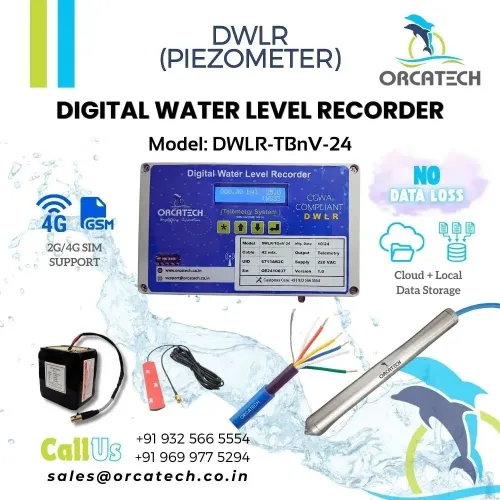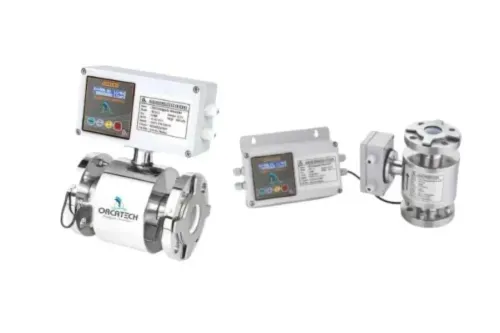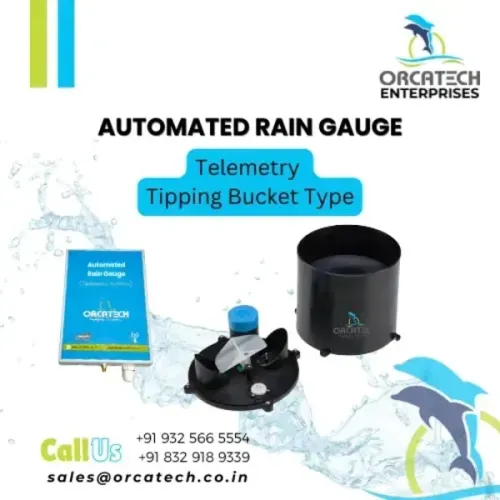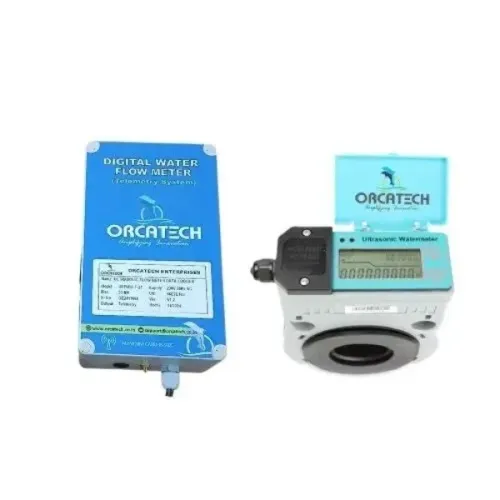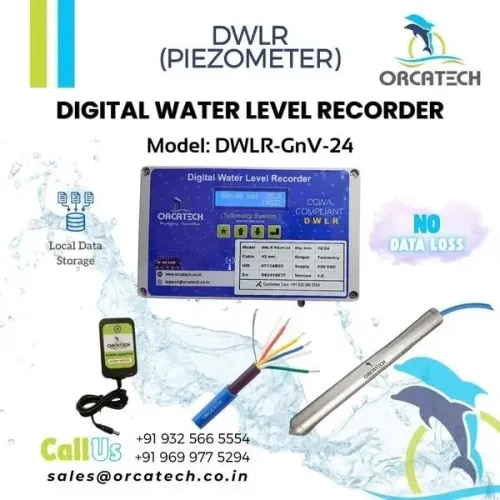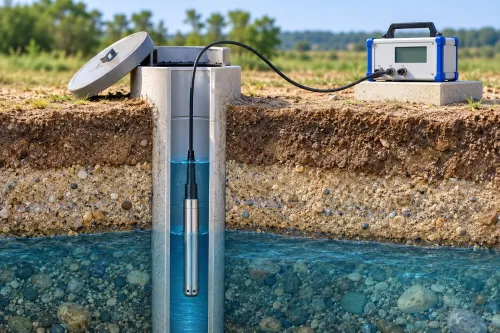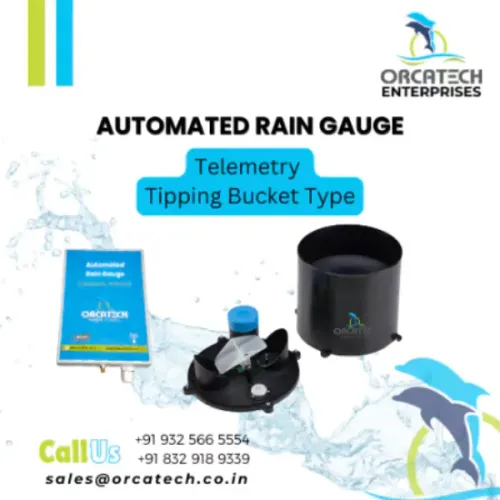
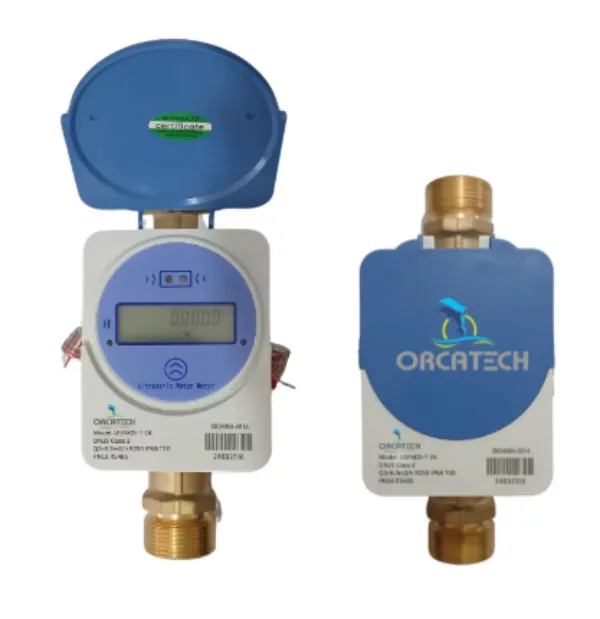
Water monitoring has evolved significantly over the past decade. Manual inspections that once required frequent site visits are increasingly being replaced by automated monitoring technologies capable of delivering continuous, accurate information. A Smart Digital Water Level Recorder System enables organizations to monitor changing water levels efficiently while reducing manual effort and improving the reliability of collected data.
For industries, government departments, infrastructure consultants, and environmental professionals in Pune and across Maharashtra, adopting smart monitoring systems can lead to better operational planning and more informed resource management.
Moving Beyond Traditional Monitoring
Manual water level measurements have served the industry for many years, but they present several challenges.
These include:
- Limited measurement frequency
- Human error
- Travel time between monitoring locations
- Delayed reporting
- Difficulty identifying short-term fluctuations
A smart monitoring system addresses these limitations by collecting readings automatically at scheduled intervals, creating a detailed record of water level behaviour throughout the monitoring period.
What Makes a Water Level Recorder Smart?
Modern digital monitoring systems combine advanced sensing technology with automated data management.
Depending on project requirements, a smart system may include:
- High-precision sensors
- Integrated data logger
- Remote communication capability
- Cloud-based monitoring
- Automated alerts
- Battery-powered operation
- Weather-resistant housing
These features allow users to access information quickly without requiring constant field visits.
Benefits of Real-Time Monitoring
Access to timely information helps project teams respond more effectively to changing conditions.
Real-time monitoring supports:
- Faster operational decisions
- Early detection of unusual water level changes
- Improved groundwater management
- Better project documentation
- Reduced field inspection costs
- More reliable historical records
Instead of waiting for scheduled inspections, engineers can review updated information whenever needed.
Industries That Benefit from Smart Monitoring
Infrastructure Development
Construction projects often require groundwater observations before excavation, foundation work, and dewatering operations.
Water Resource Management
Authorities monitor groundwater levels across observation wells to evaluate long-term resource availability.
Environmental Consulting
Continuous datasets strengthen environmental assessments and compliance reporting.
Industrial Manufacturing
Factories relying on groundwater monitoring benefit from automated reporting and improved operational visibility.
Irrigation Projects
Agricultural water management becomes more effective when groundwater trends are continuously monitored.
Why Data Quality Matters
Reliable decisions depend on reliable information.
Accurate monitoring helps organizations:
- Understand seasonal changes
- Detect groundwater depletion
- Monitor recharge conditions
- Evaluate pumping effects
- Support scientific analysis
- Improve reporting accuracy
Poor-quality or incomplete datasets can result in incorrect assessments that affect project planning and long-term resource management.
Factors to Consider Before Selecting a System
Not every monitoring system offers the same capabilities.
Before making a purchase, organizations should evaluate:
- Measurement accuracy
- Sensor reliability
- Communication technology
- Power efficiency
- Data storage capacity
- Environmental durability
- Software compatibility
- Technical support availability
Selecting equipment based solely on price may overlook important performance factors that influence long-term monitoring success.
Supporting Digital Water Management Initiatives
Many public infrastructure projects now incorporate digital technologies for asset management and environmental monitoring.
A Smart Digital Water Level Recorder System contributes to digital transformation by providing continuous field data that integrates with reporting platforms and monitoring dashboards. This enables project managers and decision-makers to evaluate conditions more efficiently.
Growing Demand Across Pune
Rapid urban development, industrial expansion, and increasing environmental awareness have encouraged wider adoption of automated monitoring systems throughout Pune. Infrastructure consultants, industrial facilities, and public authorities are increasingly seeking reliable monitoring solutions capable of supporting long-term projects with accurate and accessible data.
The shift toward automation reflects a broader focus on improving efficiency while strengthening environmental stewardship.
Working with an Experienced Equipment Manufacturer
Successful monitoring depends on selecting equipment designed for field performance and supported by technical expertise.
Orcatech Enterprises manufactures water monitoring solutions that address the needs of infrastructure projects, environmental consultants, industries, and public sector organizations. Through its website, orcatech.in, project teams can learn more about monitoring technologies suitable for groundwater observation and water resource management.
As monitoring requirements continue to evolve, a Smart Digital Water Level Recorder System offers a practical way to improve data quality, reduce manual effort, and support more informed decisions for water management projects across Pune and beyond.
Keywords