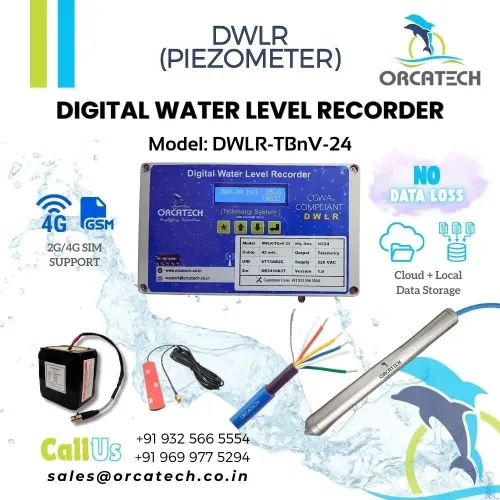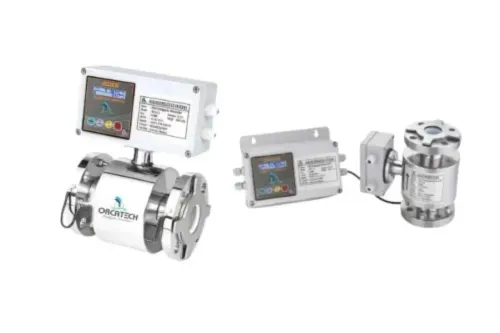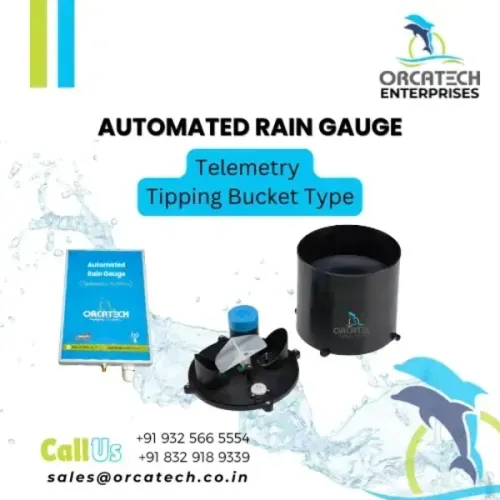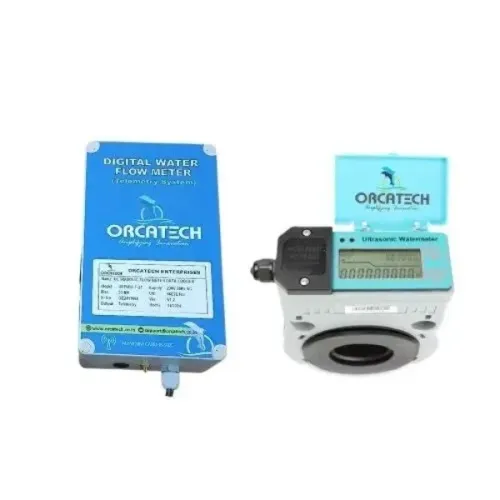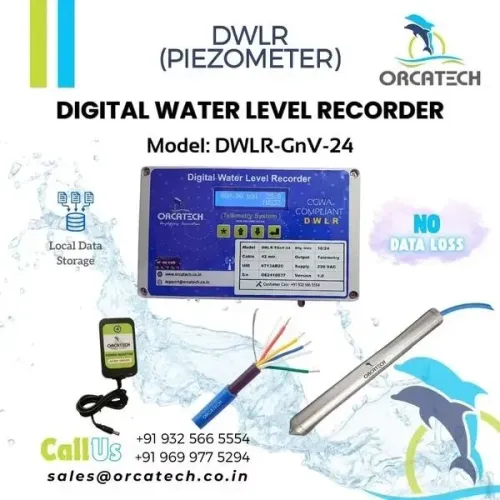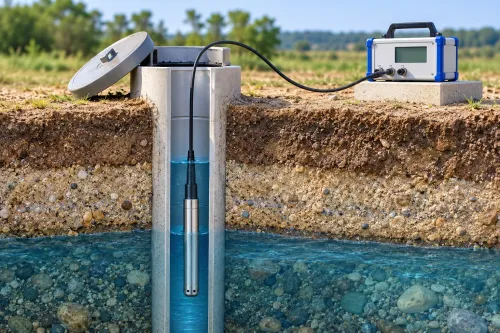
Water-level monitoring projects often cover multiple wells, tanks, reservoirs, canals, or surface-water locations. Collecting readings manually from every site can require significant travel, staff time, and coordination. A Smart Digital Water Level Recorder System helps monitoring teams automate data collection while maintaining a more consistent record of changing water conditions.
The word “smart” generally refers to more than digital measurement. It describes a connected system capable of recording readings, storing historical information, transmitting data, and supporting remote review.
From Periodic Readings to Continuous Records
Manual monitoring usually provides data only when a technician reaches the site. If readings are taken weekly, important fluctuations between visits remain undocumented. These gaps can make it difficult to identify rapid drawdown, sudden recharge, overflow conditions, or unusual operational changes.
A smart recorder can take measurements at selected intervals, such as every few minutes or every hour. This produces a detailed time series that reveals both gradual trends and short-duration events.
Continuous records are particularly useful for:
- Groundwater assessment
- Reservoir-level monitoring
- Tank inventory management
- Irrigation planning
- Pumping studies
- Construction dewatering
- Flood-risk observation
- Environmental compliance reporting
The recording interval should be chosen according to how quickly the monitored water body is expected to change.
Core Parts of a Smart Monitoring System
A complete solution normally combines sensing, data logging, communication, and software.
The sensor measures the water level using pressure-based, ultrasonic, radar, or another suitable technology. A data logger receives and stores the readings. A communication unit sends data through an available network, while a digital platform enables users to view trends, download reports, and configure notifications.
Useful platform features may include:
- Live status displays
- Historical graphs
- Configurable alert thresholds
- Data downloads
- User access controls
- Device health indicators
- Battery-status monitoring
- Location-based dashboards
- Automated reports
Not every project needs every feature. A remote observation well may prioritise long battery life and telemetry, while an industrial tank may require faster readings and integration with an existing control system.
Benefits for Distributed Field Operations
Remote access allows engineers to review multiple locations without travelling to each site for every reading. Field visits can then be planned for inspection, calibration, maintenance, or investigation rather than routine data collection alone.
Automated records also improve consistency. Measurements are taken according to the configured schedule, reducing variations caused by different technicians, changing visit times, or transcription mistakes.
For organisations working across Pune and other parts of Maharashtra, remote monitoring can be especially helpful during the monsoon, when travel conditions and site accessibility may change. It also supports projects covering industrial areas, irrigation networks, reservoirs, and groundwater observation sites spread across a wide region.
Smart Alerts Require Thoughtful Configuration
Alerts are useful only when thresholds reflect real operational conditions. A limit set too close to ordinary fluctuations can generate repeated unnecessary notifications. A threshold set too broadly may fail to provide sufficient response time.
Before configuring alerts, teams should determine:
- What condition requires attention?
- Who should receive the notification?
- How quickly must someone respond?
- What action should follow?
- When should the alert be escalated?
Projects should also distinguish between water-level alerts and equipment-health warnings. A communication failure, low battery, or missing reading may require technical attention even when the water level remains normal.
Maintaining Reliable Performance
Smart monitoring does not eliminate field maintenance. Sensors must be inspected periodically, reference readings should be verified, batteries may need replacement, and communication performance should be reviewed.
A useful maintenance plan includes scheduled calibration checks, physical inspection, manual comparison readings, data-quality reviews, and documented corrective action. This ensures the digital platform reflects actual site conditions.
A Smart Digital Water Level Recorder System gives engineers a clearer and more timely understanding of water behaviour. Its real value comes from combining dependable instrumentation with appropriate installation, sensible alert settings, disciplined maintenance, and regular interpretation of the collected data.
Keywords