Selecting the right flow measurement technology can have a significant impact on operational efficiency, maintenance costs, and data accuracy. While conventional inline flow meters remain widely used, many industries are now evaluating the advantages of a Clamp-On Ultrasonic Flow Meter, particularly when installations need to avoid pipeline modifications or production downtime.
For industries, water utilities, environmental consultants, and infrastructure contractors across Pune and Maharashtra, understanding the differences between these technologies helps ensure the right investment for both current and future requirements.
Understanding How the Technologies Differ
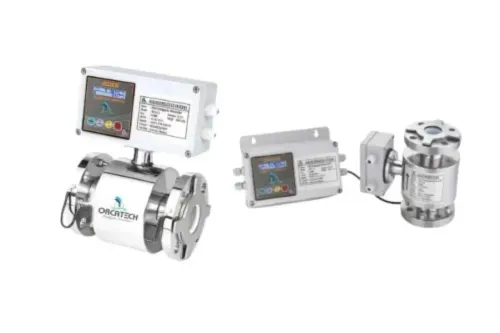
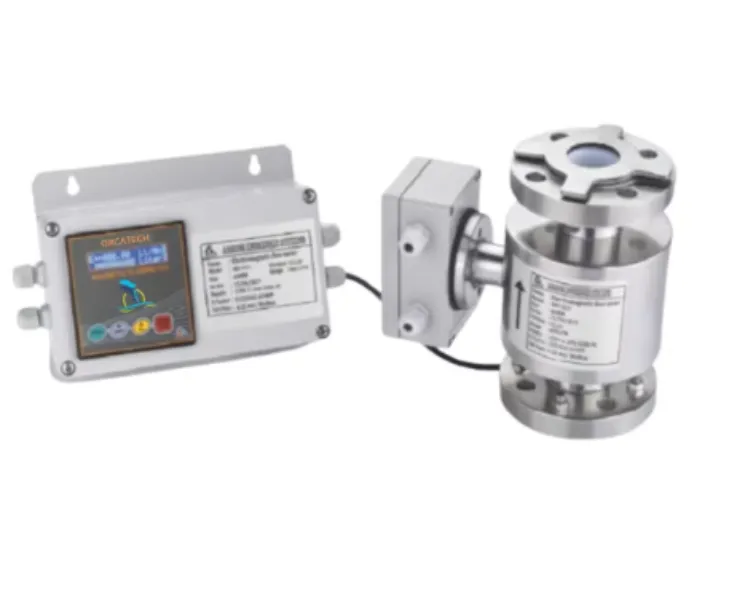
Traditional flow meters are installed directly inside the pipeline. Depending on the application, they may use mechanical, electromagnetic, turbine, or differential pressure principles to calculate flow.
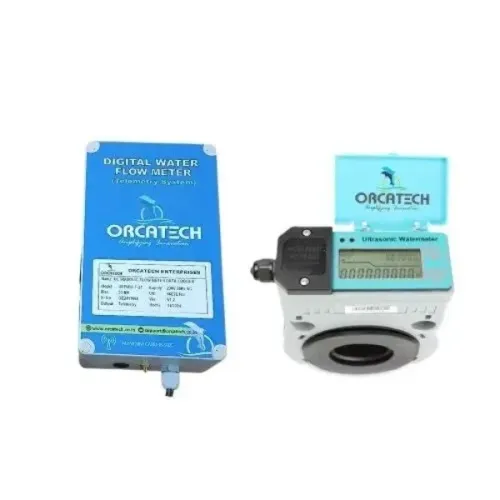
A Clamp-On Ultrasonic Flow Meter, on the other hand, measures flow by transmitting ultrasonic signals through the pipe wall. Since the sensors are mounted externally, there is no direct contact with the flowing liquid.
This fundamental difference influences installation, maintenance, and operational flexibility.
Installation Requirements
One of the biggest differences between the two options is the installation process.
Traditional flow meters often require:
- Pipeline cutting
- Temporary shutdowns
- Welding or flange installation
- Pressure testing after installation
A Clamp-On Ultrasonic Flow Meter generally avoids these requirements because the sensors are attached to the outside of the pipe.
This can significantly reduce installation time, especially in operating facilities where production interruptions are costly.
Comparing Maintenance Needs
Maintenance requirements also differ.
Traditional inline meters may require:
- Internal inspections
- Cleaning
- Replacement of worn components
- Calibration after prolonged use
Since clamp-on ultrasonic sensors remain outside the pipeline, they are not exposed to water impurities, scaling, or sediment buildup. This can reduce maintenance frequency in many applications.
However, all measurement systems should still be calibrated periodically according to project requirements.
Accuracy Considerations
Accuracy depends on several factors, including:
- Pipe condition
- Flow profile
- Installation quality
- Fluid characteristics
- Equipment specifications
Modern Clamp-On Ultrasonic Flow Meters can provide excellent measurement accuracy when installed correctly on suitable pipelines. Inline meters may still be preferred for certain applications requiring specific measurement standards or challenging flow conditions.
Rather than assuming one technology is always better, organizations should evaluate measurement requirements before selecting a solution.
Typical Applications
Clamp-on ultrasonic systems are commonly used for:
- Existing industrial pipelines
- Water distribution networks
- Temporary monitoring projects
- Energy audits
- Building management systems
- Flow verification
- Infrastructure maintenance
Traditional inline flow meters are frequently selected for:
- Permanent process control
- High-pressure systems
- Treatment plants
- Manufacturing processes
- Utility metering
- New pipeline installations
Each technology has strengths depending on the project objectives.
Cost Beyond the Purchase Price
The purchase cost alone should not determine equipment selection.
A broader evaluation should include:
- Installation expenses
- Downtime costs
- Maintenance requirements
- Calibration schedules
- Expected equipment lifespan
- Future expansion possibilities
In some cases, reduced installation costs make clamp-on technology an attractive long-term investment even if the initial equipment cost is higher.
Supporting Water Management Projects in Pune
Pune's expanding industrial sector and infrastructure development have increased demand for efficient monitoring solutions. Many organizations prefer technologies that minimize operational disruption while providing dependable measurement data.
Clamp-on ultrasonic systems are increasingly considered for retrofit projects where existing pipelines cannot easily be modified.
Making the Right Choice
Every project has different technical requirements. Factors such as pipe material, fluid characteristics, operating pressure, and measurement objectives should all influence equipment selection.
Orcatech Enterprises manufactures water monitoring and flow measurement solutions for industrial, infrastructure, and environmental applications. Its technical expertise helps project teams identify technologies suited to their operational needs rather than relying on a one-size-fits-all approach.
A careful comparison between a Clamp-On Ultrasonic Flow Meter and traditional flow measurement technologies enables organizations to select equipment that balances accuracy, operational efficiency, and long-term value.
Keywords